


The Strait of Hormuz Crisis and Indonesia's Energy Independence
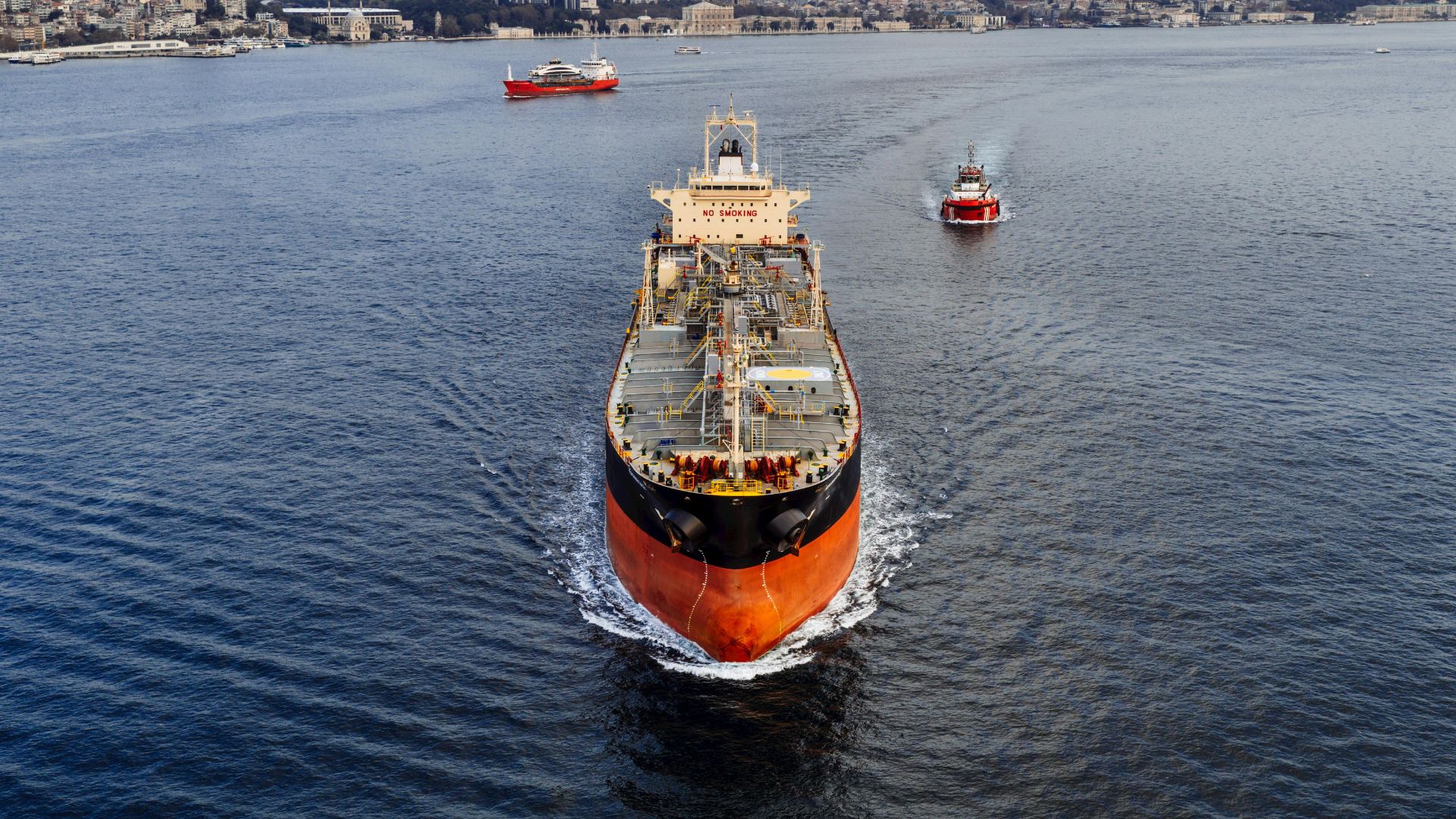
Tensions in the Strait of Hormuz are shaking global energy markets. Around 20% of the world's oil trade passes through this corridor. Every threat of disruption immediately pushes oil prices higher and triggers market volatility. The effects are quickly felt in Indonesia: pressure on energy subsidies, the rupiah exchange rate, and inflation. The Indonesian government has already responded by reintroducing work-from-home (WFH) arrangements for civil servants and issuing calls for energy conservation to stabilise domestic fuel consumption. Indonesia still imports a portion of its crude oil, fuel, and LPG needs. Data show that Indonesia's oil and gas trade balance has remained in deficit in recent years due to high energy imports (BPS, 2023). This means that every surge in global prices automatically burdens the state budget and, ultimately, the public. The situation points to one thing that can no longer be ignored: our national energy system remains vulnerable to external factors beyond our control.
The constitutional mandate is clear. Article 33 of the 1945 Constitution affirms that natural resources must be managed for the greatest possible prosperity of the people. Energy is a strategic sector. If its stability is heavily determined by global geopolitical dynamics, then energy sovereignty has not yet been fully realised. Regulatory foundations are also in place. Law Number 30 of 2007 on Energy requires sustainable energy management and promotes an increased share of New and Renewable Energy (NRE). Targets are enshrined in Government Regulation Number 79 of 2014 on National Energy Policy, with NRE set at a minimum of 23% by 2025 and 31% by 2050. The implementation roadmap is laid out in Presidential Regulation Number 22 of 2017 on the General National Energy Plan (RUEN). Yet reality still lags behind the targets. The latest data show that Indonesia's NRE mix in 2025 stood at around 15%–16%, an improvement on the previous year but still below the 23% target set in the National Energy Policy (Ministry of Energy and Mineral Resources, 2025). Installed renewable energy capacity has also exceeded 15 GW, with the largest contributions coming from hydropower, geothermal, and bioenergy (Ministry of Energy and Mineral Resources, 2025).
On the other hand, national final energy consumption continues to rise, particularly in the transportation and industrial sectors (BPS, 2021), while domestic oil production remains on a downward trend compared with the previous decade (Ministry of Energy and Mineral Resources, 2023). In other words, structural dependence on imports cannot yet be avoided. The crisis in the Strait of Hormuz must be read as a policy alarm. As long as Indonesia remains dependent on fossil energy supplies that pass through global shipping lanes, domestic economic stability will always be sensitive to external conflicts. Diversifying supplier countries alone is not enough. What is needed is a transformation of the energy system based on domestic potential.
Indonesia has the strong foundations to achieve this. The palm-oil-based biodiesel programme, which has reached the B35 blend and is being prepared for B40, has demonstrably reduced diesel imports and helped sustain the oil and gas trade balance (Ministry of Energy and Mineral Resources, 2023). The consistent implementation of the biodiesel programme has reportedly saved billions of US dollars per year in foreign exchange through fuel import substitution (Ministry of Energy and Mineral Resources, 2025). However, the forward strategy must not stop at first-generation feedstocks. The development of second-generation feedstock-based biofuels must be accelerated. Their raw materials come from agricultural residues, forestry waste, non-food biomass, and used cooking oil. The key advantage is clear: these sources derive from waste or by-products and therefore do not require additional land clearance (IEA, 2022). This means green energy production can increase without driving deforestation or widening land-use conflicts. The energy transition must not create new environmental problems. This approach simultaneously strengthens the circular economy. Waste that previously held no value can become a source of energy and added value. Processing industries develop domestically, jobs are created, and pressure on foreign exchange from energy imports is reduced. Beyond bioenergy, the development of methane gas also carries strategic urgency. Indonesia holds biogas potential from palm oil mill effluent (POME), livestock waste, and urban organic waste. Harnessing methane not only generates energy but also reduces greenhouse gas emissions, given that methane has a global warming potential approximately 28–34 times greater than carbon dioxide over a 100-year horizon (IPCC, 2021). The government has also begun promoting biomethane development and landfill gas utilisation as part of the energy sector's decarbonisation strategy (Ministry of Energy and Mineral Resources, 2025). Beyond bioenergy and biogas, Indonesia's potential for solar, geothermal, and hydropower is enormous. The total technical potential of national solar energy is estimated at more than 3,000 GW, making it the source with the greatest potential in Indonesia (Ministry of Energy and Mineral Resources, 2023). Yet installed solar power plant capacity remains relatively small compared with this potential. The gap between potential and realisation is what must be urgently addressed through accelerated investment, regulatory reform, implementation of the green electricity supply plan (RUPTL), and price certainty that is attractive to the private sector. The energy transition does indeed require costs and policy consistency, but the cost of dependence is far higher. Every oil price surge caused by global conflict forces the state to increase subsidies or adjust domestic prices. Fiscal space that should fund education, health, and productive infrastructure is absorbed in dampening energy shocks. Energy independence is a macroeconomic stability strategy and a matter of national sovereignty. The Strait of Hormuz crisis shows that geopolitical risks will always exist. Indonesia cannot control global conflicts, but Indonesia can control the direction of its own energy policy. The constitutional mandate exists, policy targets have been set, and resource potential is available. What is needed now is acceleration and the resolve to make decisions. Without it, every global crisis will continue to become a domestic burden. With it, Indonesia can make green energy, methane gas, and domestic feedstocks the foundation of long-term economic sovereignty.
Author: Asri Pebrianti
This article also appears on Katadata. Read the original here.


